Resilient and Secure Timing for Mission-Critical Systems
Luminous Cyber provides resilient, secure timing infrastructure that preserves navigation, synchronization, and distributed mission performance when GPS and other external references are degraded or unavailable.
Modern navigation and critical infrastructure systems depend on precise timing that GPS alone cannot guarantee.
Navigation systems, sensor fusion architectures, communications networks, and distributed mission platforms all depend on precise timing. When GPS and other external timing sources are disrupted, the effects propagate across systems.
What happens when timing is lost
- Navigation accuracy degrades
- Sensor fusion becomes unstable
- Distributed systems fall out of synchronization
- Network coordination deteriorates
- Assets become vulnerable
The need for resilient, secure timing
- Maintain a stable internal timebase when GPS and external references are disrupted.
- Preserve navigation accuracy during extended periods of signal denial.
- Keep distributed sensors and mission systems synchronized.
- Support reliable communications and network coordination.
- Sustain operational tempo in contested and degraded environments.
Resilient and secure timing for critical mission functions.
GPS-Denied Navigation
Maintain the precise timebase required for inertial navigation, sensor fusion, and PNT estimation when GNSS signals are degraded or unavailable.
Distributed Mission Systems
Preserve synchronization across distributed platforms, sensors, and compute nodes operating in contested environments.

Secure Timing Infrastructure
Provide trusted timing sources and holdover capability for mission systems that cannot rely solely on external signals.

Platform-Integrated Timing
Embed resilient and secure timing capability directly into avionics, sensors, and edge compute platforms.
Where resilient timing matters most.
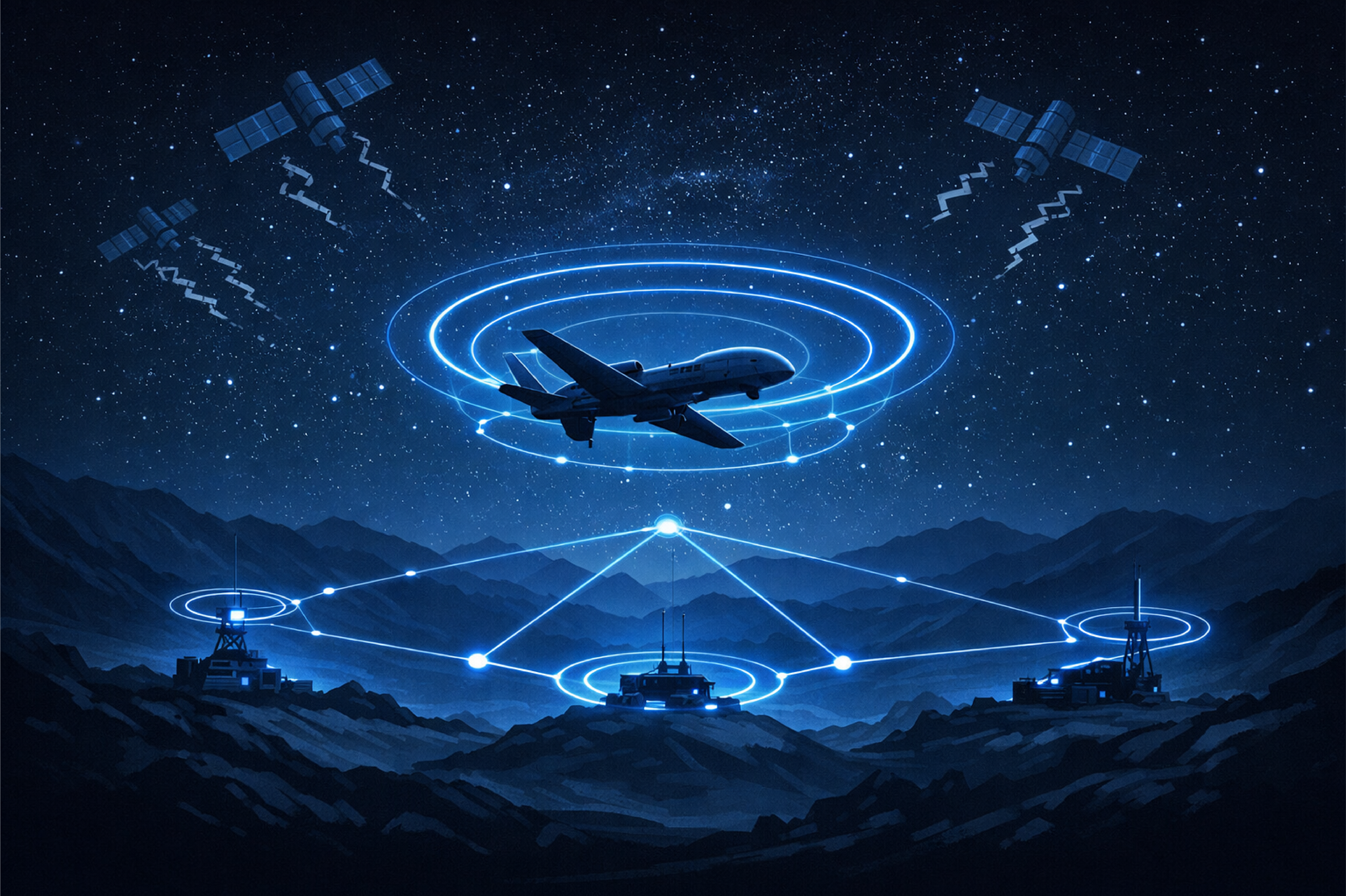
Contested Navigation Environments
Platforms operating in contested environments must maintain accurate navigation even when GPS is degraded or unavailable. Luminous Cyber preserves the timebase required for stable inertial navigation and sensor fusion.
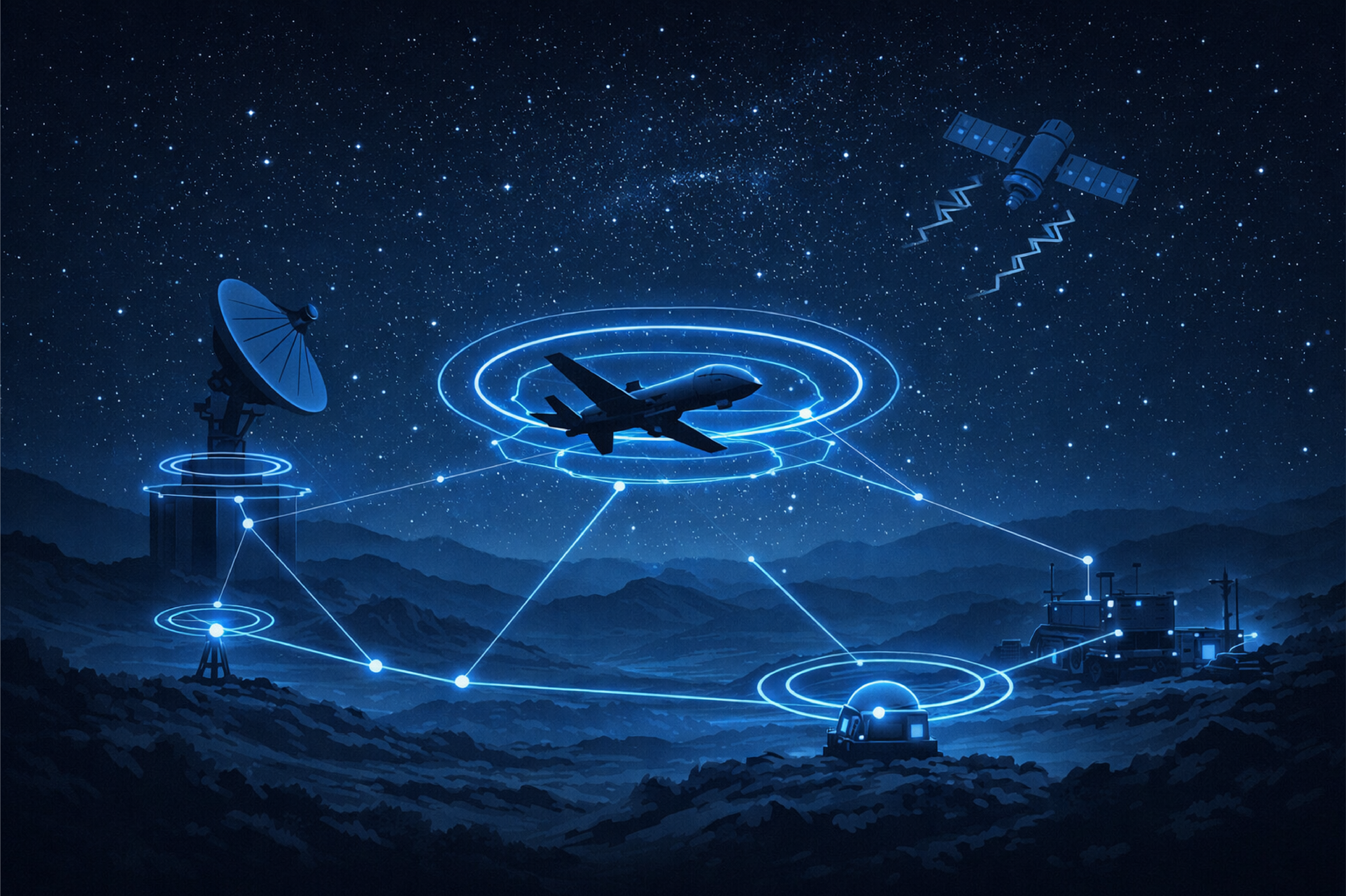
Distributed Sensor Networks
Radar, EW, and sensor fusion systems rely on precise time alignment across multiple nodes. Luminous Cyber enables resilient synchronization across distributed sensing architectures.
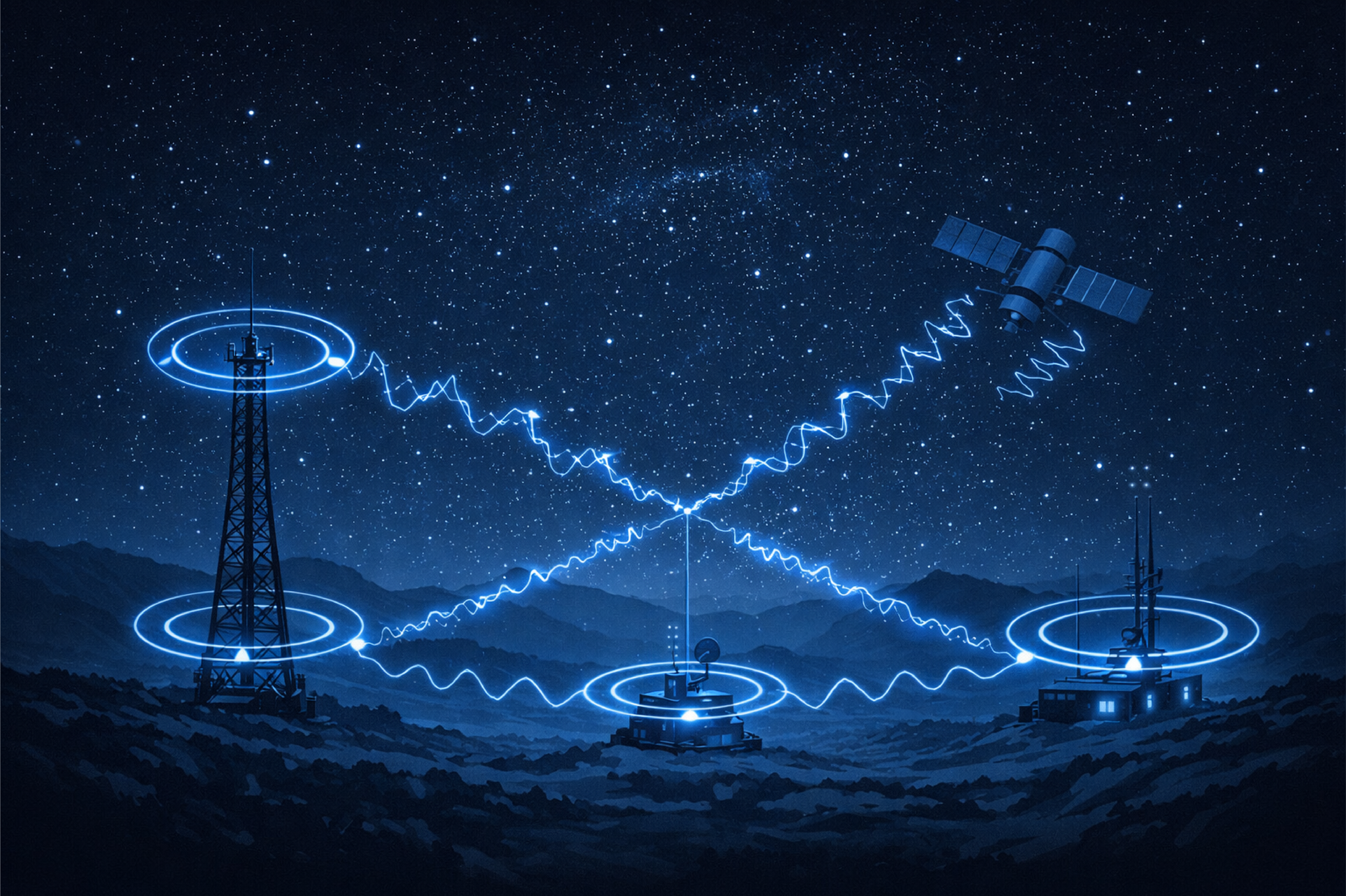
Communications Synchronization
Communications networks require precise timing for coordination, signal alignment, and performance. Luminous Cyber preserves network coherence when external timing references are disrupted.
Designed to integrate into modern mission architectures.
Luminous Cyber technology can be integrated at multiple levels depending on system architecture and deployment requirements.
Embedded Modules
Board-level timing modules that integrate directly into avionics, sensors, and compute platforms.
Timing Nodes
Distributed timing nodes that support resilient synchronization across networks of systems.
Modular Open Systems
Architecture aligned with modern modular standards including MOSA, SOSA, and CMOSS integration models.
Evaluate our Alt-PNT approach for your navigation and mission systems.
Discuss how Luminous Cyber can integrate into platforms that depend on precise time to preserve navigation, synchronization, and system coherence when GPS and other references are degraded.